GLOBAL
Light in the Window is a multidisciplinary and transdisciplinary theatrical-visual art project rooted in the digitalisation of performance and poetry. It began as a collaboration in Istanbul between an author Osman Cakar (@oziosmanozcakar), a choreographer Ebru Cansiz (@ebrucansizprojects), and a theatre director and actor Selim Can Yalcin (@selimcanyalcin), who came together as sOmO (sound and movement) collective to create a poetic dance-theatre piece titled Evdeki Ses (Sound in the House). ,
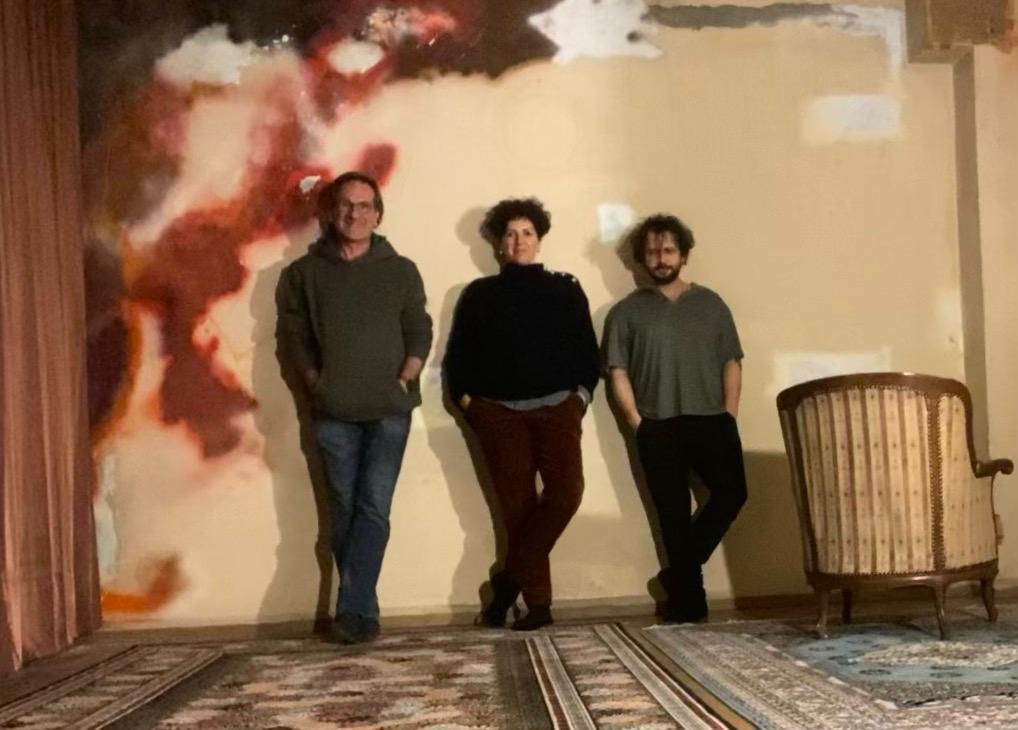
Left to right: Osman Cakar , Ebru Cansiz, Selim Can Yalcin
In partnership with capitArtX media lab, the collective transforms the original physical performance—structured around poetic chapters enacted by dancers—into a digitally reimagined audiovisual poetry installation. This transformation results in Light in the Window, an experimental digital format of the Evdeki Ses project, composed of fragmented video artworks. Each video fragment incorporates a cited poem accompanied by original sound design, weaving together movement, voice, and visual composition to create an immersive experience.
The Apartment of Years Gone By is the first experimental video piece created as a fragment of this evolving project.
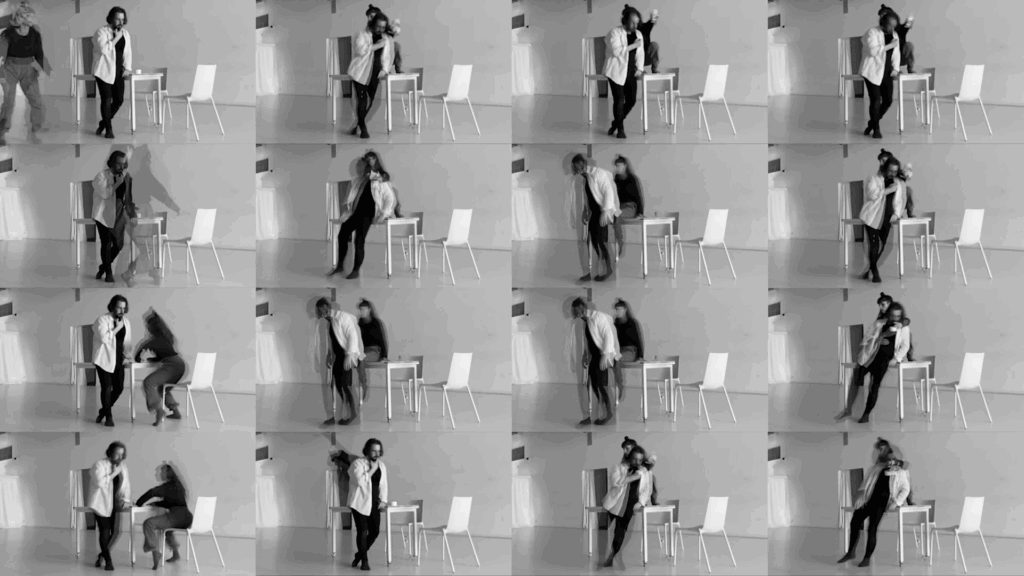
The Apartment of Years Gone By, Fragment ‘o1, Light In the Window, 4’44”
Author: Osman Ozcakar | Director: Selim Can Yalcin | Choreographer: Ebru Cansiz | Sound Design: Thomas Vittek | Performers: Beril Senoz & Selim Can Yalcin | Digitalisation: capitArtX Media Lab | Video Editor: Ozgur Samlioglu
Poems are integrated into the video works, questioning the limits and possibilities of translation across languages as well as media and disciplines. Through this multilayered transformation, the project moves from a local reflection on urban life to a broader exploration of humanity’s evolving relationship with the Earth, particularly in relation to the notion of belonging. It examines how subjectivity, isolation, and coexistence are shaped by both urban and ecological systems. Drawing from the live material, the collaborators translate gestures, movement, and sonic rhythms into a poetic visual language. This way, Light in the Window experiments with non-verbal poetics and sensory expression, asking: How can poetry exist beyond spoken language? Can rhythm, light, and vibration convey a shared, transcendental meaning across cultures? How does art render the world inhabitable – a home?